


Full Body Spa Massage

Thai Massage in Mumbai | Traditional Stretching Experience

Mumbai’s fast-paced lifestyle often leaves very little time for slowing down, stretching, and giving your body a proper break. Thai massage offers a different kind of wellness experience by bringing together rhythmic pressure, assisted stretches, controlled movements, and traditional bodywork techniques in one session.
At Full Body Spa, our Thai massage experience is designed for clients who enjoy a combination of movement and relaxation rather than a massage based only on long, flowing strokes. The session allows the therapist to work across different parts of the body while guiding comfortable stretches and applying measured pressure to selected areas.
Thai massage can be an appealing choice after a demanding workweek, an intensive fitness routine, extensive travelling, or simply when you want to introduce a more active form of bodywork into your wellness routine. It is also a popular option for people who enjoy yoga, stretching, mobility exercises, and other movement-based practices.

Discover the Traditional Approach to Thai Massage

For people living or working around Versova, D.N. Nagar, Andheri West, Azad Nagar, or Andheri, finding a conveniently located Thai massage can make it easier to include wellness time in a busy routine.
The experience can also suit people travelling along the Mumbai Metro Line 1 corridor from Versova to Ghatkopar, making it a convenient choice after work, exercise, shopping, travelling, or a long day around the city.
Thai massage has a distinctive approach that combines massage pressure with assisted body movements. Instead of focusing only on relaxing strokes, the session may include gentle stretching and positioning designed to encourage a greater sense of movement and physical relaxation.

What Makes Thai Massage Different from Regular Massage?

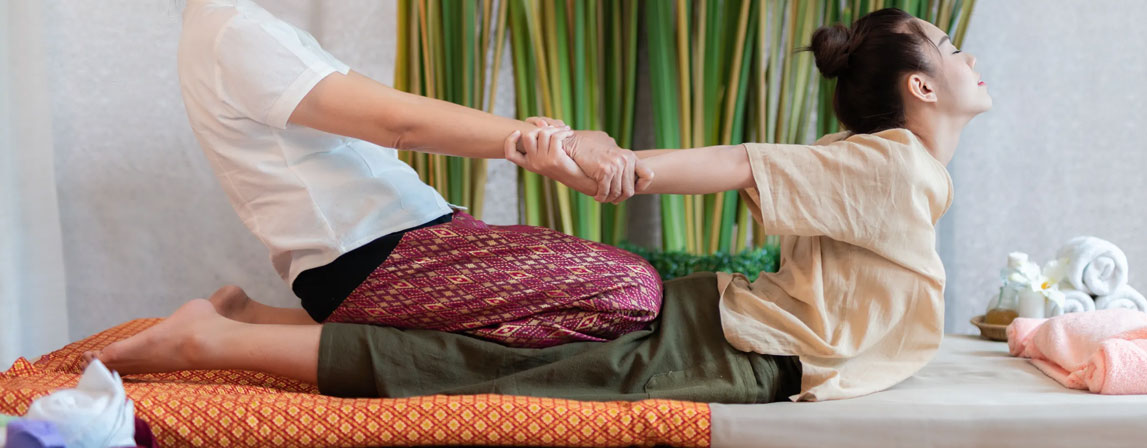
Thai massage is a traditional-inspired bodywork technique that combines rhythmic pressure, compression, and guided movement. The client generally remains comfortably clothed, while the therapist uses controlled movements to work on different areas of the body.
Unlike a conventional relaxation massage that may rely primarily on oil and long gliding strokes, Thai massage can involve more active participation. The therapist may gently guide your arms, legs, shoulders, or torso into comfortable positions while applying pressure to selected areas.
This makes Thai massage an interesting option for people who want a combination of relaxation, assisted stretching, mobility-focused movement, and traditional massage techniques in one session.

Who Should Consider a Thai Massage?

1. Desk-Based Professionals

Spending several hours working at a computer can mean very little movement throughout the day. Thai massage provides an opportunity to step away from the desk and experience guided movement and relaxation.

2. Yoga & Stretching Enthusiasts

People who already enjoy yoga or regular stretching may appreciate the assisted stretching component of Thai massage. It offers a different way to experience guided movement.

3. Gym & Fitness Practitioners

Strength training, cardio, functional workouts, and other fitness activities place regular demands on the body. Thai massage can be incorporated into a broader wellness and recovery routine.

4. Frequent Mumbai Commuters

Daily travel between Versova, Andheri, Chakala, Marol, Saki Naka, and Ghatkopar can be tiring. A massage session can provide a dedicated opportunity to slow down and relax.

5. Travellers

Long journeys often involve extended periods of sitting. Travellers may choose Thai massage as a relaxing experience after reaching Mumbai or returning from a trip.

6. People Who Prefer Assisted Stretching

If you enjoy the feeling of being gently guided through stretches, Thai massage offers a distinctive experience compared with traditional oil-based massage.

7. Active Lifestyle Enthusiasts

Runners, cyclists, dancers, swimmers, and recreational sports participants may enjoy movement-oriented massage as part of their regular wellness routine.

8. Wellness Seekers

People who regularly prioritise relaxation, stretching, meditation, yoga, or other wellness practices may find Thai massage a useful addition to their routine.

9. First-Time Massage Clients

Thai massage can also be experienced by beginners. The therapist can explain the process and adjust pressure and movement according to the client’s comfort level.

This Massage can be suitable for a wide range of adults with different routines and wellness preferences. It can be especially attractive to people who prefer a more interactive massage experience involving stretching and movement.

Why People Choose Thai Massage for Full-Body Wellness?

1. Encourages a Greater Sense of Flexibility

Assisted stretching is one of the defining features of Thai massage. Gentle guided movements can help the body feel more open and mobile after a session.

2. Supports Comfortable Everyday Movement

The combination of pressure and movement can help create a feeling of physical ease, especially for people who spend much of their day sitting or following repetitive routines.

3. Helps Relax Commonly Tense Areas

Thai massage can focus attention on areas such as the shoulders, back, hips, thighs, calves, arms, and legs where everyday tension may accumulate.

4. Complements Stretching and Fitness Routines

People who regularly participate in yoga, gym training, running, or other physical activities may enjoy the stretching-based nature of Thai massage.

5. Promotes a Feeling of Physical Lightness

After spending hours sitting, travelling, or working, a structured massage session can help you feel more relaxed and refreshed.

6. Creates a Mindful Break from Daily Stress

The slow rhythm of the session allows you to step away from screens, traffic, work responsibilities, and everyday distractions.

7. Encourages Greater Body Awareness

Because Thai massage involves guided movement and positioning, clients may become more aware of areas where their body feels restricted, tired, or tense.

8. Offers an Alternative to Conventional Oil Massage

For people who want something different from a standard oil massage, Thai massage provides a more movement-oriented experience involving pressure and assisted stretching.

When Is the Right Time to Book a Thai Massage?

  • After Long Hours at Work

A Thai massage can be a relaxing way to end a long office day, especially if you have spent several hours sitting or working at a computer.

  • After a Long Commute

Mumbai traffic and daily train or metro travel can make the body feel tired. Scheduling a massage after work can provide a relaxing transition into your evening.

  • As Part of a Fitness Routine

Active individuals may include massage in their wider wellness routine alongside stretching, rest, hydration, and appropriate exercise.

  • During a Weekend Wellness Routine

Weekends provide an opportunity to slow down and dedicate time to personal care without the pressure of a busy weekday schedule.

  • After Travelling

A massage session can be a comfortable way to unwind after spending several hours travelling by road, train, or flight.

Frequently Asked Questions – Thai Massage

Thai massage focuses on stretching, acupressure, and energy lines (meridians) throughout the body, often performed fully clothed on a mat. Swedish massage uses long gliding strokes and oil, performed on a massage table with the client undressed. Thai massage is more dynamic and interactive, while Swedish massage is more relaxation-focused.
No flexibility is required. Thai massage actually helps improve your flexibility over time. The therapist uses rhythmic compressions and stretches adapted to your body's current range of motion. You'll be guided gently into stretches appropriate for your flexibility level, never forced into positions.
Thai massage can feel intense but shouldn't be excruciating pain. Mild discomfort is normal as tight muscles are worked on. Pain you feel is typically tight muscles releasing toxins and tension. Communication with your therapist is essential—tell them immediately if anything feels unbearable so they can adjust pressure.
For general wellness, once monthly is beneficial. For chronic pain or tension, 2-4 sessions monthly may be recommended. Athletes might benefit from weekly sessions. Your specific needs determine frequency. Start with 2-3 sessions spaced 1-2 weeks apart to assess how your body responds, then adjust accordingly.
Wear loose, comfortable clothing (similar to yoga attire) since you remain fully clothed during the massage. Avoid tight jeans, belts, or restrictive jewelry. Many spas provide comfortable pants and shirts if you prefer. Choose breathable fabrics as the massage generates body heat.
Thai massage should be avoided or modified for: recent surgery, severe osteoporosis, pregnancy (first trimester), acute infections, high fever, open wounds, or if you're on blood-thinning medications. Always inform your therapist of any health conditions, injuries, or medications beforehand.
Standard sessions are 60, 90, or 120 minutes. Expect a full-body treatment combining stretching, acupressure, and rhythmic compressions. You'll lie on a padded mat (not a table), remaining clothed. Most sessions include work on legs, arms, back, neck, and head. The experience should feel therapeutic, not ticklish or uncomfortable.
Some mild soreness is possible but less common than after deep tissue massage. Many people feel energized and improved flexibility immediately after. If soreness occurs, it typically subsides within 24-48 hours. Drinking water, gentle stretching, and rest help recovery. Professional therapists adjust intensity to minimize post-massage soreness.

Conclusion

Thai massage is a time-honoured therapeutic practice that extends far beyond simple muscle relaxation. Rooted in centuries of Buddhist tradition and ancient healing wisdom, it represents a holistic approach to wellness that addresses the mind, body, and spirit as an interconnected system.

Thai massage isn’t just a treatment—it’s an investment in your long-term health and well-being. BOOK NOW